|
Assistant Professor of German and Spanish
Education
MA, Karl-Franzens-University
BA, Karl-Franzens-University About
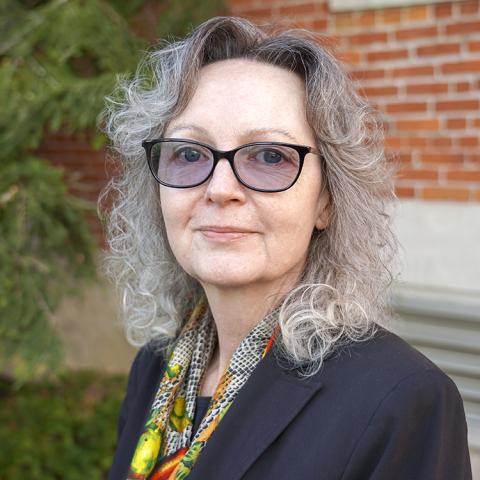
A native of Austria, Sieglinde received her Bachelor of Arts and her Master of Arts in Translation Studies (English, German, Spanish) from Karl-Franzens-University, Graz. In addition to teaching all levels of the German curriculum at Heidelberg University, she also teaches Spanish and 100 Level French. After working as a translator, interpreter, and ESL teacher in Austria and teaching translation and ESL courses at the University of Rwanda, Sieglinde began teaching German and Spanish at the University of Notre Dame, Indiana, before moving to Ohio Northern University, where she taught a variety of language courses of all levels in Spanish and French as well as modern language teaching methods. Sieglinde brings her passion for languages and culture to her Heidelberg students, guiding them towards proficiency and the appreciation of the Spanish language and Hispanic cultures as well as the German language and cultures of Germany, Switzerland and Austria. Courses TaughtGER 101: Intro to German I ExpertiseTranslation studies, language pedagogies |
Image
Contact
Sieglinde Poelzler-Kamatali
Founders Hall 210
(419) 448-2071
spoelzle [at] heidelberg.edu
|